

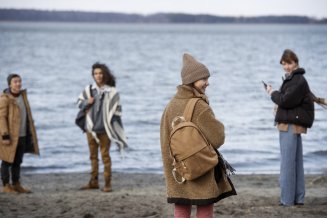
Slow travel is a new global trend
The modern rhythm of life makes us rush even on vacation, but more and more people are choosing a different approach. In the article we tell you what slow travel is — the philosophy of leisurely exploring a place when you stay in one city longer than usual and live every day as a local. For slow trips, destinations with a special atmosphere are suitable: historical cities or natural locations. The Accor chain offers hotels in Russia for this type of vacation.
Slow Travel — what is It
Slow travel originated as a counterbalance to mass tourism with overloaded routes and checkmarks in the list of attractions. This approach is based on the following principles:
- quality is more important than quantity;
- Awareness is more important than speed.
On a slow journey, there is no goal to see the maximum in the shortest time. On the contrary, you deliberately limit your geography in order to delve into the life and culture of one region. Spontaneity is appreciated here: a conversation with a stranger in the park can be more interesting than an excursion, and a randomly found street is more picturesque than postcard views.
A slow journey teaches you to notice the details: what the morning looks like in an old quarter, what kind of faces the sellers have at the market, how the light over the river changes in the evening. You are not a tourist rushing through a list of must-see attractions, but a temporary resident who learns about a place through daily rituals and accidental discoveries.

Who can use the slow format
Slow travel is ideal for freelancers and remote employees. The ability to work from anywhere allows you to stretch your trip for weeks or months. In the morning, you spend time at your computer in a hotel room or cafe, and in the late afternoon you set off to explore the city.
Also, slow travel is suitable for people with burnout — it helps to recover. When the nervous system is exhausted, standard active tourism only exacerbates an already bad emotional state. A leisurely rhythm, the opportunity to get enough sleep, and the absence of a mandatory program create the conditions for a real vacation. You don't waste energy on logistics and decision-making, but simply live at a comfortable pace.
Pensioners often become adepts of slow travel. Free time, the desire to travel without haste and a limited budget make this format optimal for them. Long-term rental housing is cheaper than short trips, and a steady pace meets age needs and avoids overwork.
And another category is families with children. You don't have to pack your bags every two days, look for a new place to live, or adapt your child to a new place. Children get used to the hotel, find their favorite playgrounds and walking routes. Parents get the opportunity to relax, rather than turn their vacation into a marathon of sightseeing.
To make a slow vacation with children go smoothly, follow these recommendations:
- Choose a hotel with a children's infrastructure. A swimming pool, a game room, and a special menu at the restaurant make life easier.
- Plan short activities. Instead of spending a whole day at the museum, choose one location for 1-2 hours.
- Alternate days of walking with days of rest. Children need time to digest their impressions.
- Follow the usual routine. Daytime sleep, meal times, and evening rituals are best preserved.
What are the benefits of slow travel
This format of recreation provides something that you cannot get on a standard tour — a real recovery. When you are not rushing from museum to museum, from guided tours to guided tours, the nervous system calms down. The chronic fatigue of planning and moving disappears. You get enough sleep because you don't have to get up for the bus at seven in the morning, and you eat well because you have time to find a good cafe instead of snacking on the go.
Slow travel develops emotional intelligence and empathy. Staying in another culture for a long time, even within the borders of your native country, helps you understand it from the inside, rather than judging it superficially. You learn to accept a different pace of life, different values, and unusual traditions. This expands the picture of the world and makes thinking more flexible.
The economic benefits are also obvious. When renting a house or booking a room for a week or a month, you are more likely to receive discounts and special conditions. It takes less money to have breakfast at a hotel or lunch where locals eat than in tourist restaurants.
Beginner's Mistakes in slow Travel
- An attempt to combine a slow approach with a desire to see everything. A person books accommodation for a week in one place, but at the same time plans frequent trips around the region. The result is regular tourism, not slow travel. Real slow travel assumes that you spend most of your time within walking distance of the hotel.
- Wrong choice of housing. Newcomers rent an apartment on the outskirts for the sake of economy or, conversely, settle in the most tourist location. The first makes it impossible to take spontaneous walks, the second does not allow you to feel the real life of the city. The best option is residential areas near the center.
- Ignoring the weather and seasons. Slow travel means spending a lot of time outside. Coming in the rainy season without a backup plan means spending a week in four walls. For slow trips, it is better to choose comfortable, sunny months or cities with a well-developed indoor cultural program.
- Complete abandonment of planning. A slow pace does not mean chaos. Without minimal preparation, you may miss important events. It is useful to know in advance the schedule of museums, concert posters and the opening hours of interesting places in order to use the time efficiently, but leaving the plan flexible and not too overloaded.

How to travel slowly
Start by choosing one city or region. Book your accommodation for at least a week — it's enough to feel the rhythm of the place. Two weeks is even better: the first one will take you to adapt, and by the second you will already feel free and be able to spend time consciously.
Give up your busy schedule. Instead of a list of twenty attractions, choose six or seven that are really interesting. Visit them not on the first day, but whenever you want. Leave time for aimless walks — they often bring the best discoveries.
Live by a schedule close to that of the locals. Go to the usual shops of the area, walk not only along the tourist routes. Find your favorite park bench and come back to it every evening. Go to concerts, to the nearest cinema or theater.
What to consider when choosing a hotel based on "slow" principles
- Location. Choose hotels in residential areas or the historical center, where you can walk and feel the atmosphere of everyday life in the city. The proximity to parks, embankments or quiet streets creates comfort for leisurely walks.
- Long-term accommodation. Pay attention to special rates for guests who stay for a week or longer. Many hotels offer discounts for bookings of seven days or more.
- Recreation infrastructure. A spa center, a swimming pool, and a gym help you switch and recuperate without having to go anywhere. This is especially valuable — you will be able to devote a day to taking care of yourself without haste and unnecessary problems with transport.
- The quality of the rooms. For a long stay, a comfortable bed, good sound insulation, and sufficient space are important. The room becomes your home for the duration of the trip, so comfort is paramount here.
- Additional services. Laundry, room service, concierge service make life easier. You can fully focus on your vacation.
Which places are suitable for a slow rest
Russia offers destinations for slow travel for every taste: from cities with a long history to mountain resorts. We have selected five places that combine an interesting cultural program, the opportunity to slowly explore the surroundings and comfortable living conditions. Accor Group hotels operate in each of them, designed for a long and thoughtful stay.
Saint Petersburg
The cultural capital is ideal for slow travel. Here you can walk around the historical center for weeks, discover little-known courtyards, sit in coffee shops and bakeries. Museums, theaters, and embankments create an atmosphere in which you want to linger.
The SO/Saint Petersburg Hotel is located in the very center, a three-minute walk from St. Isaac's Cathedral. The designer hotel offers panoramic views of one of the main attractions of the city directly from the rooms. The HI-SO ROOFTOP TERRACE summer restaurant is open from May to September. The 24-hour MIXO Lobby bar offers evenings after walks. The Urban Wellness Zone Spa center with a swimming pool, Turkish steam room and Jacuzzi helps to restore strength without leaving the hotel.

Kaliningrad
A city with a special atmosphere, where Russian and European cultures are intertwined. German architecture, fortresses and bastions have been preserved in the former Konigsberg. It's nice to slowly study history, stroll through the cozy streets, and visit small museums.
The Mercure Kaliningrad Center Hotel is located on the embankment of Lake Superior, within easy reach of the historical center. The design of the hotel is inspired by Hoffmann's fairy tales, which creates a special atmosphere here. Si.M.patio restaurant and Torro Grill steakhouse offer a varied menu, and the 24-hour lobby bar is always open to guests. A fitness center, sauna, and hammam complement the opportunities for relaxing and relaxing.

Irkutsk
The gateway to Lake Baikal and an independent destination for a leisurely journey. The historical center with wooden architecture, the Angara embankment, and proximity to natural beauty make the city attractive for a long vacation and immersion in local culture.
ibis Irkutsk Center is a modern design hotel that offers comfortable conditions for long-term stays. The ibis Kitchen restaurant specializes in European and Russian cuisine, but the menu also features local delicacies and traditional dishes. It is convenient to plan trips to Lake Baikal, one of the main natural wonders of Russia, from the hotel.

Vladivostok
A Far Eastern port with a special flavor, where European architecture is juxtaposed with Asian motifs. The seaside, the hills, the historical quarters create a unique appearance of the city on the edge of the country.
The Novotel Vladivostok is located in the business district with quick access to the historical center. Izakaya "Gorodovoy" offers Japanese cuisine, which is organic for a Far Eastern city. The fitness center provides comfort for guests staying for a long time and leading a healthy lifestyle.

Krasnaya Polyana
A mountain resort for those who want to exchange the hustle and bustle of the city for nature and fresh air. The Caucasian peaks, clean air, the opportunity to walk along the ecotropics or just enjoy the scenery is the perfect place to slow down.
The hotel Rixos Krasnaya Polyana Sochi is located at an altitude of 960 meters above sea level, surrounded by mountains. The Layali Oriental Restaurant offers Turkish cuisine, the Rixos Lounge offers European dishes in a cozy atmosphere by the fireplace, and the Sparx buffet breakfast is served. The two-level Rixos Royal Spa complex is the pearl of the hotel. The royal pool with panoramic mountain views, Turkish hammam, Finnish and Russian saunas, and steam room create a space for complete relaxation and recovery.

Slow Rest with Accor
Slow travel is not exactly a new, but a well—forgotten way to spend a vacation. In an era when travel has become a race for impressions, returning to a leisurely exploration of the world is becoming a conscious choice. This format allows you to really relax: to recuperate, feel the atmosphere of the place and take with you deep impressions.
Choose Accor group hotels for a slow holiday in Russia. Comfortable conditions for long-term stay, well-thought-out infrastructure, convenient location in places with rich history and culture create an ideal base for leisurely travel.

