

How to plan a meaningful trip in 2026
More and more people are choosing trips not for the sake of a tick in the list of visited cities, but to find new meanings, catch inspiration or reboot. Traveling with meaning answers the question "why?" and benefits you specifically: it helps you immerse yourself in culture, learn new things, slow down and listen to yourself. The Accor hotel chain offers hotels in Russia for such trips: from historical centers to mountain resorts.
What is whycation (vacation with meaning)
A whycation (vacation with meaning) is when you plan a vacation based on a goal and inner needs, rather than a direction. The word is derived from the English why and vacation. Instead of asking "where should I go?" you ask yourself another question: "whydo I need this trip?"
For example, you want to sort yourself out. Then choose a secluded place by the water or in the mountains. If you want to study history, you go to a city with a rich past. You need to recuperate — you are looking for a spa resort or sanatorium. And if you've been wanting to learn something new for a long time, you can combine a trip with master classes and excursions.
The main difference between a whycation (vacation with meaning) and regular tourism is that you don't chase after the number of impressions. On the contrary, you slow down, choose one place and immerse yourself deeply into its history, rhythm, and daily routine. This gives you the opportunity to really relax, rather than returning from vacation tired of endless travel and selfies against the backdrop of attractions. This approach helps you get what you need from your vacation right now.
Why is Everyone suddenly talking about conscious Travel
The trend began even before the pandemic, but it was the years 2020-2021 that changed people's attitudes towards recreation. When the borders were closed, many stayed at home for the first time in a long time and wondered: "What really brings me joy?" It turned out that it was not the number of countries in the passport, but the quality of the impressions.
People are tired of chasing trends and photos for social media. When every working day is scheduled by the minute, on vacation you just want to stop and exhale. Therefore, instead of running marathons through ten cities in a week, tourists began to choose one point on the map and spend more time there — walking aimlessly, communicating with locals, trying what is really interesting.
Another reason for the popularity of whycation (vacation with meaning) is the availability of information. Now it's easy to find places where you can practice yoga at dawn, take a meditation course, or learn traditional crafts. Hotels and resorts have also adapted to the request: they offer recovery programs, creative workshops and routes to non-standard places for a closer acquaintance with the region.
Conscious travel is the answer to the congestion of modern life. When a vacation becomes an opportunity to sort yourself out and return home with renewed vigor.

How it looks in practice
A whycation (vacation with meaning) can take completely different forms depending on your goal. Here are some options for how people spend such vacations:
- Developing new skills. For example, someone goes to a city with rich architecture to learn how to photograph buildings. He spends the morning at a master class, walks the streets with a camera in the afternoon, and processes pictures in a cafe in the evening. In a week, he learns the basics of composition and takes home a series of shots that he is proud of.
- Gastronomic trips. Gastropeople visit markets, learn how to cook local dishes, and taste wines at wineries. The goal is not just to eat, but to understand culture through food, memorize tastes, take with you new recipes and memories of intimate table conversations with locals.
- Physical activity. Hiking in the mountains, yoga by the sea, cycling along scenic routes. Such trips help to tone up the body and at the same time clear your head of unnecessary thoughts.
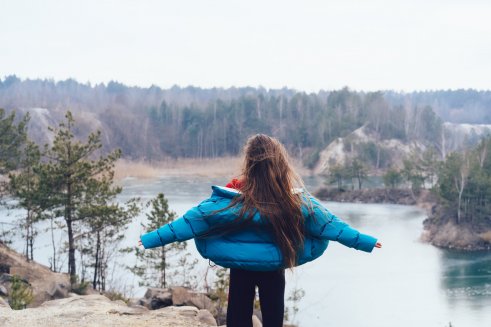
- Silence and solitude. Travelers rent a room with a view of nature or even relax with tents, read books that they have been putting off for months, walk without haste and just observe the world around them. No plans, just time for yourself.
All these examples have one thing in common: you know in advance why you are going, and you build a route around this goal.
How to plan the trip that you need
To arrange a meaningful vacation, it's not enough just to choose a beautiful place. It is important to understand what you want to get out of the trip. Here is a step-by-step plan that will tell you how to plan a trip yourself.
Define the target
Start with the main question: why do you need this vacation? Do you want to take a break from the hustle and bustle of the city and be quiet? Or do you dream of learning something new: to master a skill, to study the culture of the region? Maybe you need to regain your strength after a difficult period or, conversely, add adrenaline through active sports? A clear goal will help you sift out the excess and focus on the travel format that you need.
Select a location for the task
When the goal is clear, choose a direction. Places near the water or in the mountains, where there are few tourists, are suitable for privacy. If you want to immerse yourself in history, choose cities with rich cultural heritage. For physical activity, look for regions with developed infrastructure for hiking, cycling, or water sports. Gastronomic trips are good in regions with a vibrant culinary tradition.
Consider seasonality
The time of year affects impressions no less than the place itself. For example, Lake Baikal is clear ice and silence in winter, and warm water and green slopes in summer. Krasnaya Polyana attracts skiers in the cold season, and opens hiking trails in the warm season. If you are a fan of cultural recreation, it is better to go to Russian cities in late spring and early autumn: less precipitation, cold weather and tourists.
Make a flexible plan
Write down an approximate route, but leave room for spontaneity. Schedule 2-3 activities per day, and keep the rest of the time free. This way you can take a leisurely walk, go to a randomly found cafe, or just sit in the park if you want. A tight schedule kills the main advantage of meaningful rest — the opportunity to listen to yourself.
Explore local features
Find out what is happening in the region during your visit. Maybe a festival is taking place, a seasonal exhibition is open, or a farmers' market is open on weekends. Read about local traditions, try to find unusual routes — not only top attractions, but also places where residents go. This will add depth to the journey.
Adjust to the desired tempo
Meaningful vacations require a rhythm different from everyday ones. If you're used to planning every hour, try slowing down. For example, spend the morning in a cafe with a book, instead of running to the museum. Walk aimlessly, just watching the life around you. Give yourself permission to do nothing — sometimes it is at such moments that important thoughts come and there is a feeling of real relaxation.
Book your accommodation
A hotel is not just a place to sleep, but part of a journey. Pay attention to the location. It should be convenient to get from the hotel to the key points of the planned route. Make sure that the hotel has everything you need exactly for your vacation format: a spa for recovery, restaurants with local cuisine, quiet areas for relaxing alone.
Where to go in Russia according to the principle of whycation (vacation with meaning)
In our big country, there are regions for every request. From the Baltic coast for those who want to get into the atmosphere of Europe to the shores of Lake Baikal for fans of natural wonders. From mountain resorts for fans of active winter holidays to cities with a long history for those who personally touch the cultural heritage. We have collected several destinations where you can spend a whycation (vacation with meaning) in Russia.
Kaliningrad
Russia's most European city attracts those who want to immerse themselves in the atmosphere of old Prussia without leaving the country. Here you can leisurely explore the neighborhoods with pre-war architecture, study the history of Konigsberg in museums, walk around the Fish Village and the embankment. The city is suitable for a relaxing cultural holiday. Discover new details every day: Gothic towers, cobblestone streets, views of the Pregola River.
For a relaxed stay, stay at the Mercure Kaliningrad Center, which is located on the shores of Lake Superior. The hotel stands out for its unique design based on Hoffmann's fairy tale "The Nutcracker and the Mouse King" — the interiors immerse you in the atmosphere of ancient stories. After walking, relax in the spa lounge or dine at Si.M.patio and Torro Grill restaurants overlooking the lake.
The Amber Museum, Wrangel Tower and the Cathedral are all within walking distance of the hotel. In the evening, we recommend returning to the windows of the room — from here you can admire the romantic sunsets over the lake.

Saint Petersburg
The cultural capital now attracts not only the classic routes through the palace complexes, rivers and canals. Many choose one area — for example, the Petrogradskaya side or Vasilyevsky Island — and live in it for several days. They have breakfast at the nearest coffee shop, walk around the courtyards, explore little-known museums. St. Petersburg offers a leisurely acquaintance with architecture, art, history, and literature.
The hotel SO/St. Petersburg embodies the spirit of the city through a design based on Faberge products — interior details refer to the era of imperial luxury. The hotel is a three-minute walk from St. Isaac's Cathedral, and breakfast is served here with a view of its dome.
After excursions and walks, relax in the Urban Wellness Zone Spa with a swimming pool and sauna. The HI-SO TERRACE restaurant is open in summer, offering a panoramic view of the famous roofs of St. Petersburg, which are so beloved by photographers and artists.

Irkutsk
The city is located near Lake Baikal, which attracts everyone who is looking for unity with nature and wants to touch one of the main places of strength in Russia. Irkutsk itself is interesting for its wooden architecture and merchant history, but the main thing is that it is convenient to travel from here to the legendary lake. Many combine active recreation with mindfulness practices: meditation on the shores of Lake Baikal, hiking in ecotropics or just watching the clear water.
For accommodation, choose ibis Irkutsk Center — a hotel near the Angara embankment. Rooms with river views create a sense of proximity to nature, even in the city center. The convenient location allows you to quickly reach the main points: the airport is 20 minutes away, and Lake Baikal is an hour and a half away.
The ibis Kitchen restaurant serves local delicacies along with Russian and European cuisine. This is a great way to get to know Siberian gastronomy.

Krasnaya Polyana
The mountain resort has long ceased to be a place only for winter skiing. In summer, people come here for hiking in the Alpine meadows, mountain air and panoramas, which help to reboot. In winter, in addition to skiing and snowboarding, people simply enjoy life surrounded by snow-capped peaks, visit the spa and watch the light change on the slopes. Krasnaya Polyana is suitable for those who want to be alone with the mountains.
Novotel Resort & SPA Krasnaya Polyana is located within walking distance from the cable cars — an ideal option for outdoor activities without unnecessary movements. The spa complex with an outdoor heated pool, Jacuzzi and various types of massage helps to recover from mountain walks.
The panoramic restaurant The Grill on the seventh floor offers views of the Aibga Ridge. Breakfasts and dinners here become a separate pleasure. It's easy to find a balance between activity and relaxation in this place.

Nizhny Novgorod
The city at the confluence of the Volga and the Oka attracts lovers of history and architecture. The Nizhny Novgorod Kremlin, merchant mansions, pedestrian Bolshaya Pokrovskaya Street — all this can be explored slowly, immersing yourself in the atmosphere of the Volga region. The city is suitable for cultural recreation: during the day you explore museums and embankments, in the evening you have dinner in a cafe overlooking the Volga River.
The Mercure Nizhny Novgorod Center Hotel is located in the historical center. From here you can walk to the Kremlin in a few minutes, and Bolshaya Pokrovskaya Street starts nearby. You can also quickly reach Minin Square and Pozharsky Square on foot.
The Mercure Restaurant serves Russian and European cuisine. End the day at the lobby bar with a glass of wine or a hot soft drink. Rooms with views of the city or the square reinforce the feeling that you live in the heart of Nizhny Novgorod.

Checklist of questions before planning a trip
Before planning a travel itinerary, it is useful to ask yourself a few questions. They will help clarify expectations and avoid disappointment.
- How much time do I have? Three days, a week or two — the choice of destination depends on it. It is better to stay in your region for the weekend or go to the city in a couple of hours flight. For a week-long trip, don't be afraid of long-distance destinations. Remember: traveling with meaning takes time to adapt and immerse yourself.
- Am I going alone or with someone? A solo vacation gives you the freedom to change plans on the go and move at your own pace. Traveling with a partner or friends requires compromises — discuss in advance what everyone wants. If you are traveling with children, take into account their age and interests. Very young tourists need amenities and entertainment, while teenagers need activities according to their age.
- What is my budget? Honestly assess how much you are willing to spend on housing, food, transportation, and leisure. Sometimes it's better to reduce the number of days, but choose a comfortable hotel and not skimp on impressions. Set aside a reserve for unforeseen expenses.
- Am I ready for physical activity? Hiking in the mountains, long walks around the city or yoga at dawn — evaluate the plans realistically. If you haven't been involved in sports for a long time, don't immediately rush to difficult routes. Start with moderate activity.
- Do I need silence or do I need some light socialization? Some people need complete privacy to reboot, while others need to communicate, even superficially, with waiters or fellow travelers. This affects the choice of hotel and location. Busy tourist spots are definitely not suitable for those who want to enjoy solitude, and those who want to spend their holidays talking are unlikely to like it in remote, deserted corners.
- What restrictions do I have? Allergies, dietary habits, and health problems should all be taken into account. Check if the hotel has the necessary facilities and if medical care is available nearby. If you are traveling to a cold region in winter, make sure you are prepared for severe weather.
How to maintain the effect of a meaningful journey
In order for a trip to really change something in your life, it's important to spend the right time on the trip and keep what valuable things you've found after it.
Disconnect from work tasks
If you check your email every hour and reply in work chats, your brain doesn't switch to rest mode. Two weeks before departure, notify your colleagues of your absence, delegate tasks, and set up auto-replies. During the trip itself, set clear boundaries: check your mail at a maximum of once a day at a certain time, the rest is in do not disturb mode.
Limit your time on social media
The desire to photograph every moment and post it on social media when traveling is especially strong, but this destroys the feeling of being "here and now". Try taking photos just for yourself, not for likes. Set aside 15 minutes a day on social media — the rest of the time, just live in the moment.
Keep a diary
After returning, it is important to keep the insights from the trip. Start a diary. Write down not facts, but feelings and thoughts. How did you feel looking at the mountains? What conversation do you remember? The diary will become a repository of pleasant emotions, which you can return to at any time.
Introduce new habits
When traveling, we often allow ourselves to do things that we "don't have time" to do at home: read, draw, walk. When you return, choose one or two practices and integrate them into your daily schedule - 15 minutes a day is enough for something that brings joy. Whycation (vacation with meaning) works when its effect goes beyond vacation and changes your usual rhythm of life.
Start traveling according to the principles of whycation (vacation with meaning)
Whycation (vacation with meaning) is a way to make a vacation truly yours. Instead of chasing after a list of must-see attractions and returning tired, you choose what you need right now: a reboot, new knowledge, inspiration, or just silence. This approach helps to make the trip more meaningful and enjoyable.
Russia offers destinations for any request: from European Kaliningrad to Siberian Irkutsk, from cultural St. Petersburg to Gornaya Krasnaya Polyana. The main thing is to understand your goal and choose a place that matches it.
To make your trip not only meaningful, but also comfortable, choose Accor group hotels for your stay. Our chain's hotels are located in many regions. Select a city and book a room on the website.

