

Hotels in gentrified areas: a new trend or a problem for locals?
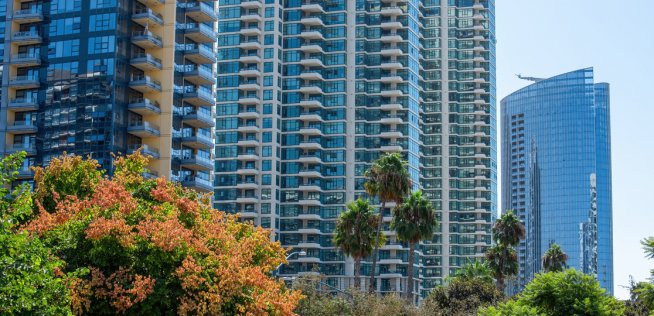
Gentrification is changing the face of cities: disadvantaged and industrial areas are gradually being renovated. Coffee shops, cultural spaces, and hotels are opening in them. This process revitalizes old neighborhoods, attracts tourists and businesses. But it also has a downside — prices are rising, and many residents are forced to leave. This conflict around hotels is especially noticeable: they become a symbol of development and at the same time a cause of loss of local identity.
What is gentrification
Gentrification — what does it mean? The term comes from the English gentry — "middle class, nobility". Now this word is used when talking about the gradual transformation of depressed areas. It often starts with the arrival of investors who buy out old buildings, carry out repairs or complete reconstruction.
Sometimes new residents start the process: students, artists, musicians, or young professionals settle where rent is more affordable, and gradually form a new atmosphere. Gradually, art galleries, small bars, workshops are opening, and the atmosphere is becoming "fashionable." The area is gaining popularity, and only then are businesses and developers catching up.
The streets are becoming safer, and the neighborhood is becoming an attractive place to live and relax. This is followed by higher prices for rental housing and commercial premises. Property owners are trying to maximize their benefits, and the rates are increasing rapidly. For local residents, this turns into a serious burden: someone is forced to move out, someone sells an apartment and moves to a more affordable area. As a result, the renovated territory gains a new status and economic growth, but loses some of its indigenous inhabitants and identity.
Moscow City is a vivid example of such a process in Russia. Thirty years ago, it was an industrial zone with warehouses and factories. Today, a business center with skyscrapers, luxury housing, restaurants and modern hotels has grown here, among which one of the largest hotels in Moscow is the Novotel Moscow City. The area has become a symbol of the new Moscow, but at the same time, real estate prices have risen sharply, both in the towers themselves and in the surrounding neighborhoods. Moscow City clearly shows how a former industrial zone is turning into a prestigious world-class cluster.

Hotels as drivers of change
Hotels are one of the key markers of gentrification. If cafes and galleries only create a local flavor, then hotels consolidate the new status of the territory and increase its value for investors.
This is a signal for businesses: the district is integrated into the city's economy, new projects can be opened here and income growth can be expected. This is perceived differently by residents — the hotel increases the prestige of the territory, but accelerates the growth of housing and infrastructure prices. As a result, there is a shift in the social composition: the area becomes accessible to more affluent groups of the population, and the former residents leave.
Economic advantages
The economic effects of the presence of hotels are obvious:
- New jobs are being created. The hotel needs administrators, technical staff, and service staff — these are dozens of vacancies for local residents.
- Urban services are developing. There is a demand for transport, shops, cafes and household services, and the area is receiving an impetus for landscaping.
- Tax revenues are increasing. The hotel pays taxes on its own and stimulates the turnover of local businesses, which increases budget revenues.
In the long run, all this supports the development of the urban economy.


Social costs
When new hotels open in the area, it begins to be perceived as more prestigious. Prices are rising for everything: housing, commercial space rentals, groceries, cafes, and even everyday services are becoming more expensive. For people who have lived here for decades, it turns into a difficult choice — to pay more or look for a new place to live. And along with this, the area itself is gradually changing:
- Local authenticity disappears. Family shops and markets are leaving, and chain brand outlets are opening in their place.
- Social stratification is increasing. New residents and tourists set a higher level of consumption, which is inaccessible to the former inhabitants of the area.
- Cultural memory is being lost. Neighborhood ties, household habits, and the atmosphere that has been forming for decades are disappearing.
As a result, the area continues to exist geographically, but socially it becomes completely different.


Examples from Europe and the USA
To understand how hotels can accelerate gentrification in historic neighborhoods, let's look at foreign examples.
Berlin
Kreuzberg has long been a counterculture area where students and migrants traveled. In the 1970s and 80s, the squat culture flourished here: some people occupied empty houses, others rented housing for symbolic amounts. The area was cheap and accessible, which attracted creative youth and created a special atmosphere. But with the advent of boutique hotels and trendy establishments, housing prices have skyrocketed, and rent has proved too high for many residents.
Barcelona
The old city center was once a residential area with markets and small shops. With the growth of tourism, it has become a magnet for tourists: hotels and thousands of apartments have appeared, and housing has risen sharply in price. Many locals have moved to the suburbs, and the authorities have decided that in 2028 all licenses for apartments for daily rent will not be renewed in order to reduce pressure on the market.
New York
The Lower East Side and Williamsburg were once accessible neighborhoods for artists and musicians. There were workshops, clubs, and cheap bars. Over time, designer hotels and fashion boutiques came here, and housing prices rose. The districts became prestigious, but with it went the freedom and identity that made them special.
Responsibility of developers
Is it possible to develop the hotel business ethically? Practice shows that yes. International operators include local elements in their projects: they preserve the facades of old buildings, use adaptive repurposing instead of demolition, and create public spaces. In Russia, Accor hotels apply the principles of ethical development, from "green" technologies to partnerships with local suppliers. This approach reduces the risk of negative impacts and allows the hotel to be integrated into the life of the area, rather than antagonizing its residents.
Alternatives: community and local projects
In recent years, a model has been developing where the hotel does not function as a separate facility, but becomes part of the local community. There are projects of the co-living format, where you can stay for a short time or rent a house for several months. They are often complemented by coworking spaces, gyms, and communal spaces that are open to everyone. Such projects attract tourists and remain useful for local residents.

The role of government and regulation
How the area is changing largely depends on the decisions of the city authorities. They can help mitigate the effects of gentrification. These can be:
- laws restricting short-term rental housing;
- taxes on hotel business, part of which is directed to the development of districts;
- building control and distribution of hotels by territories.
Conclusion
Gentrification is changing urban life, and hotels play a dual role in this process. With their appearance in the area, new jobs are emerging, and the interest of tourists and businesses is growing. But at the same time, prices are rising, and indigenous people are being displaced. A balance is possible: with a responsible approach by developers and careful regulation by the authorities, a hotel can become part of the urban environment rather than a source of conflict. It is important to remember that behind the renovated facades there is not only development, but also the fate of the people for whom this place was home.

